MAILING ADDRESS :

info@diabetespakistan.com

LOCATION ADDRESS :

71-A Jail Road Lahore

HYPERGLYCEMIA

HEALTH FACILITIES

What is Hyperglycemia

Hyperglycemia means a high blood sugar levels. When diabetes is poorly managed blood glucose level remains high and it can lead to various complications of diabetes.

A person holding a white skull prop next to a cup of coffee, symbolizing the serious effects of hyperglycemia.

What are the causes?

  1. Inadequate insulin dose
  2. Less exercise
  3. Diet is more than what is required
  4. Some ongoing illnesses like cold, flu can increase glucose levels due to stress.
  5. Mental stress like family conflicts, school or job tensions.

What are the symptoms?

Symptoms of hyperglycemia include:

  1. Increased thirst
  2. Increased urination
  3. Tiredness, exhaustion
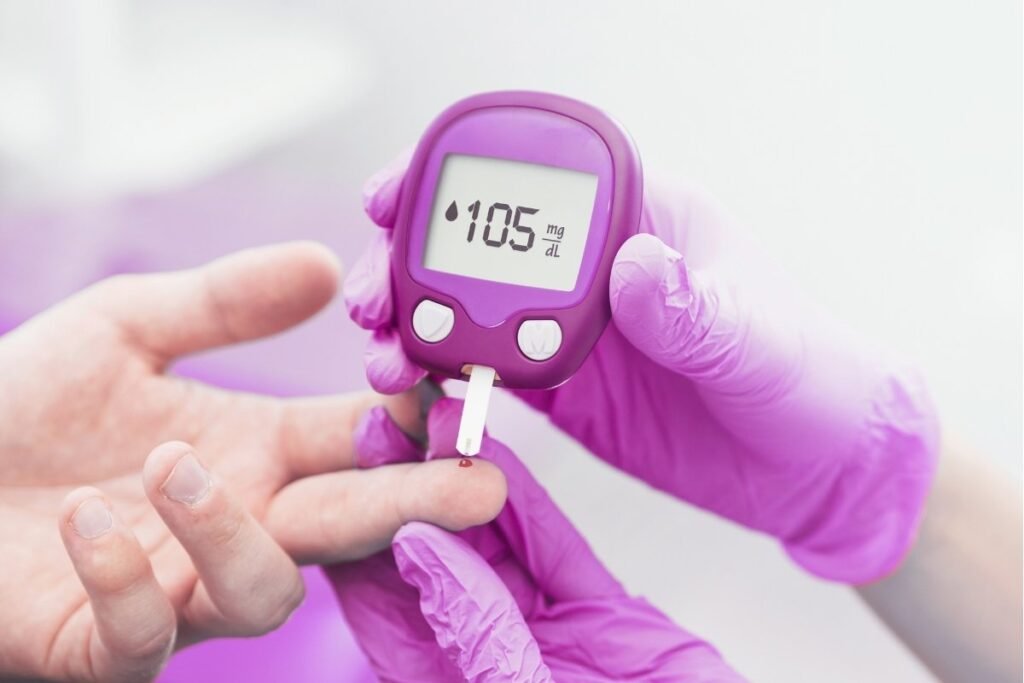
A close-up of a person with purple gloves checking blood glucose levels using a glucometer on a patient's finger. The screen shows a reading of 105 mg/dL.
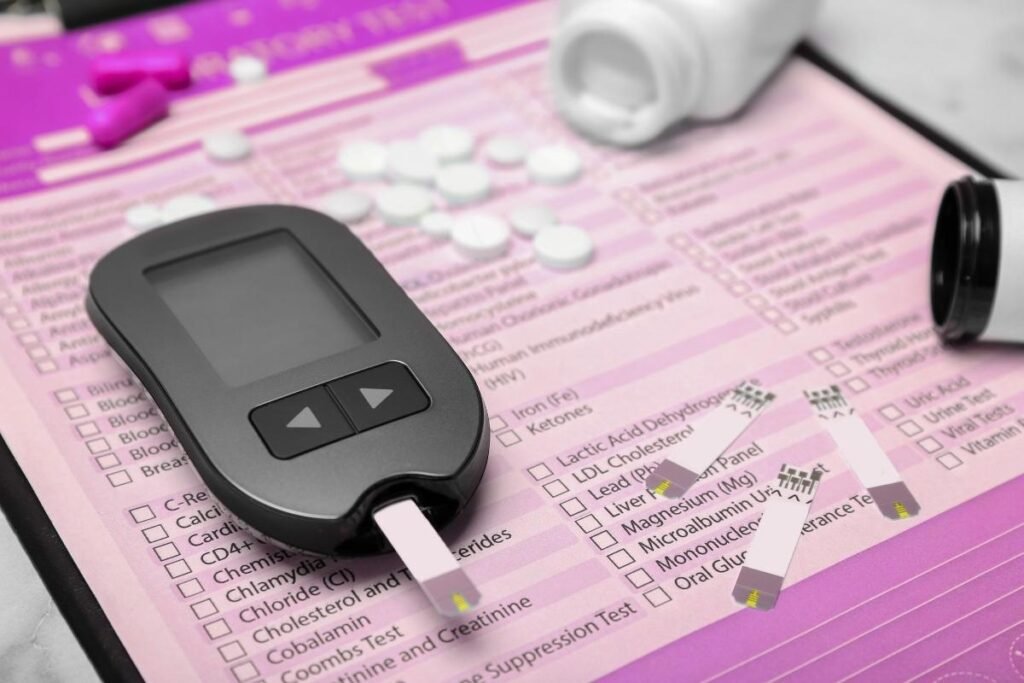
A glucometer with test strips on a medical form, surrounded by white and pink pills, representing the diagnosis and management of hyperglycemia.

How to diagnose?

  1. Urine glucose is present
  2. Blood glucose level is high, fasting > 120mg/dl, and random > 150mg/dl

How to manage?

If your blood sugar is high, you should try to bring it down by following steps:

  1. Exercise ( avoid exercise if ketones are high)
  2. Reducing meal portions and calories intake
  3. Increasing dose of diabetes medicine or insulin
An elderly man smiles and shows his blood sugar reading of 4.8 mg/dL on a glucometer, indicating healthy diabetes management.

What are the consequences?

  1. If your blood sugar remains persistently high it can lead to:

    1. Ketoacidosis, when glucose cannot be utilized, fats are burned for energy and lead to the production of ketones. Ketoacidosis can lead to coma
    2. Hyperglycemic coma, sometimes in elderly patients, in the absence of ketones, hyperglycemia leads to extreme dehydration and coma.
    3. In the long run, hyperglycemia will lead to diabetic retinopathy, nephropathy, and neuropathy.