
info@diabetespakistan.com
71-A Jail Road Lahore
And in most cases it disappears after child birth. In some women it may continue to stay after delivery. These women go on to develop diabetes type 2. There is 30-50% chance of getting type 2 diabetes later in life if you have had gestational diabetes. It is highly likely that you will have gestational diabetes in the next pregnancy as well if you had it once. Gestational diabetes is diagnosed in 18% of all pregnancies .


During pregnancy, the placenta produces certain hormones that can block the action of the mother’s insulin. This leads to a buildup of blood glucose (hyperglycemia). It is a type of insulin resistance. After delivery, the placenta is gone and insulin starts working properly again.
Gestational diabetes does not cause any birth defects. But excess glucose from the mother’s blood passes to the baby through the placenta, which leads to an oversize baby ( macrosomia…large size baby). The large size of the baby can cause difficulty in delivery, obstructed labor, or shoulder injuries. After birth baby may have very low blood glucose as a reaction. These babies tend to be obese when they grow up and have higher chances of developing type 2 diabetes in adult life.

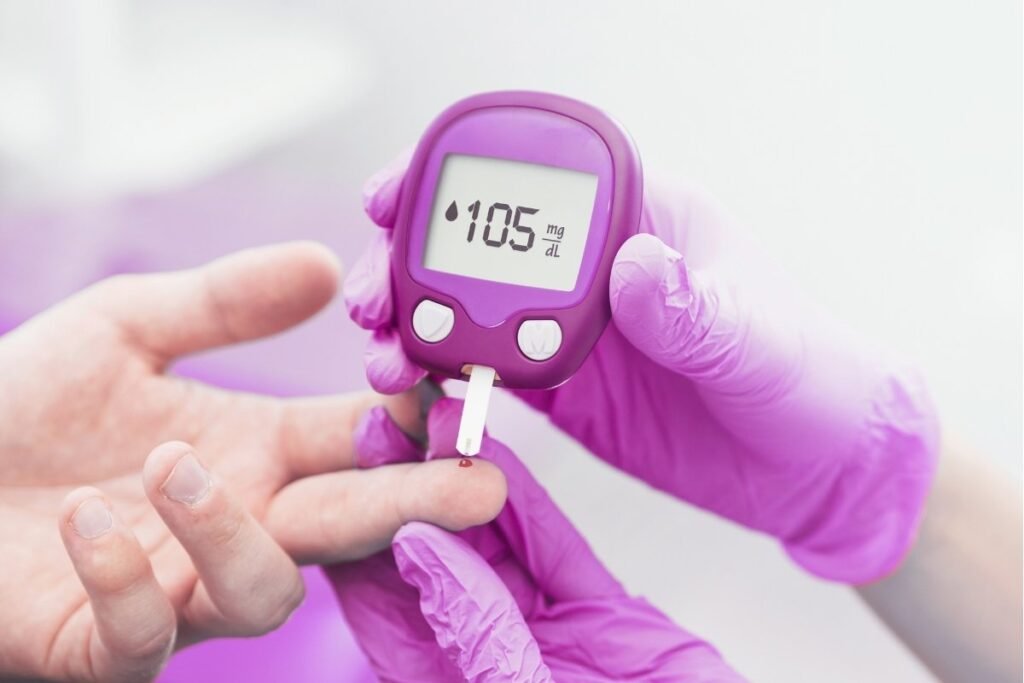
As a rule, all pregnant women should have their blood glucose level checked at the start of pregnancy and at 20-24 weeks. If a woman has high blood glucose at the start of pregnancy then she may be having type 1 or 2 diabetes previously undiagnosed. If initial blood glucose is normal and she gets high blood glucose after 20 weeks of pregnancy then she is labeled as having gestational diabetes. The urine glucose test is not very reliable in pregnancy as there may be traces of glucose in urine in non-diabetic women as well.
Start treatment as early as possible to prevent complications in the baby. The target blood glucose level is Fasting upto95mg/dl 2 hours post-prandial up to 120mg/dl This can be achieved by following simple steps:
Even after delivery, patients should have yearly checkups to detect the development of type 2 diabetes in the future.

Diabetes Institute of Pakistan (DIP) provides diabetes care, management, and education to improve the quality of life for those affected.
Copyright © 2025 DIP. All rights reserved.