
Smart Solutions
Source No 1 and Source No 2 are based on our personal motivation and ability. When it comes to dealing with our behavior, skills need to be learned and should be worked on side by side. Personal Motivation generates when your desire connects with your goals in your crucial moments thus increasing the chances of success, whereas personal ability involves changing the persistent and challenging habits with the help of learning new skills.
Source No 3 and Source No 4 both are based on our social life where we get influenced by the people we are surrounded by. These people work two ways in our lives by both motivating as well as enabling our habits. For example, you are a smoker and your wife wants you to quit. She will have a greater influence on your mind and chances are high that you will quit.

Make strategies to get you active and healthy
Another example would be that you are a diabetic patient and your non-diabetic partner provokes you to have a glass of Coke. You take that glass of coke and here your sugar levels rise. You became a victim of your partner’s negative influence that has affected your health. Well, not only humans but also our environment enables and provokes us to go for both good and evil. Take an example of a fridge that has a death by chocolate cake in it or a huge billboard showing a big Mac burger or a video game right next to your study table. When we talk about social motivation it involves the tactic of converting your partner in crime into your friend who works as a support system to you. Research has shown that doing so will increase the chances by two-third regarding reaching your desired goal.
Social ability asks for help, information, and support from others. A better way to deal with this is to get an instructor, and chances will rise up that you will be able to make appropriate changes. Source number 5 and 6 results from the combination of all the four sources discussed earlier. Structural motivation results from directly connecting the rewards and punishments to new habits we are working on, the chances rises high that you will stay on track. When we talk about structural habit a little change in your surrounding can have an astonishing result on your choices. For example putting a diabetes scoreboard on your room wall will keep encouraging you to focus on your goal.
Source 1 — Personal Motivation
Personal motivation begins by recognizing the unpleasant or difficult parts of change. Both the diabetologist and the patient must connect the need for change with their core values and goals. Understanding the purpose and clearly defining the mission helps make the change more meaningful and acceptable.

Source 2 — Personal Ability
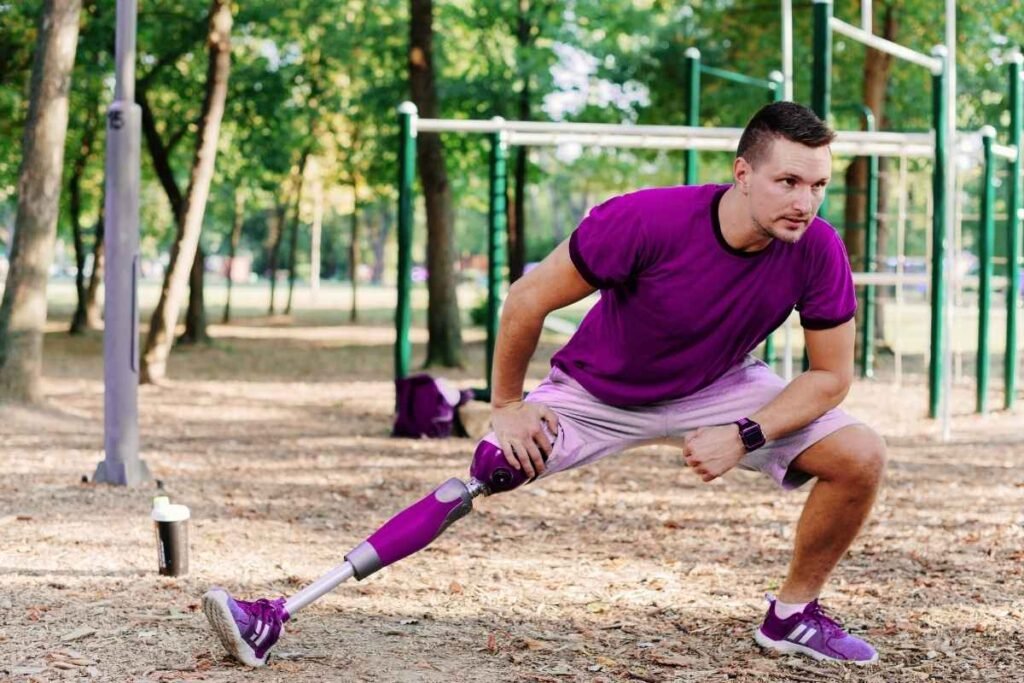
Many patients lack the knowledge or skills needed to manage diabetes. The diabetologist plays the role of a guide, helping the patient build those capabilities. Through education, emotional support, and practice in controlled environments, patients learn to adopt new behaviors with confidence.
Source 3 — Social Motivation
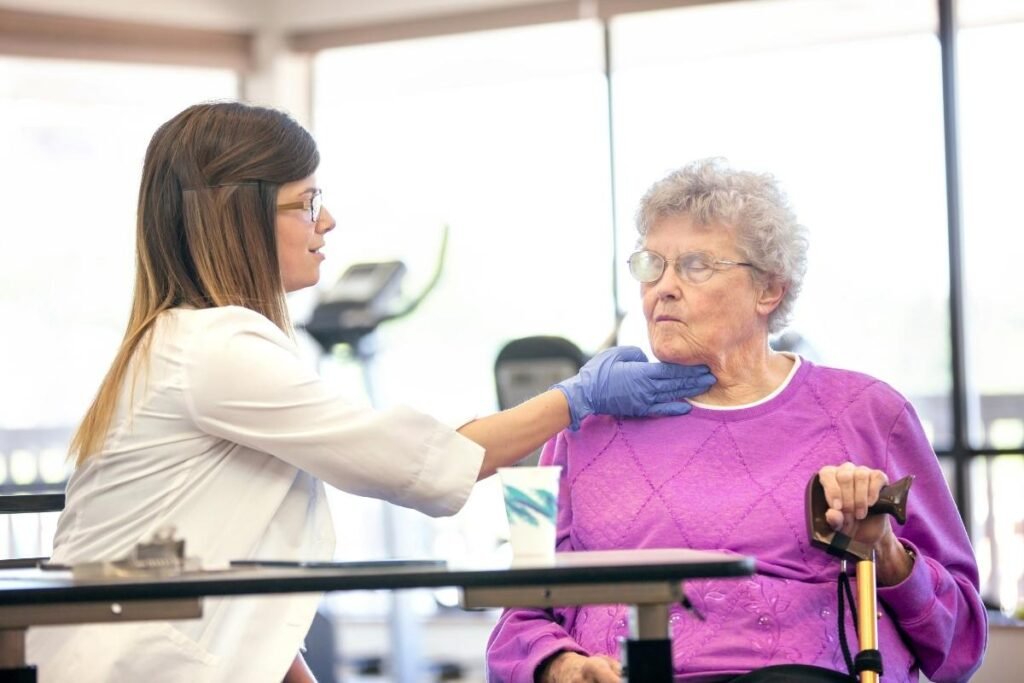
As social beings, we are shaped by our surroundings. It’s important that the diabetic patient feels supported by family and friends. Positive reinforcement from the social circle—like shared healthy meals and removing sugary temptations—encourages lasting lifestyle changes and healthy habits.

Source 4 — Social Ability
In critical moments, like a hypoglycemia episode, the patient’s support system should be prepared. Loved ones must know how to respond, including emergency contacts and basic care steps. Equipping them with knowledge and skills ensures the patient is safe and supported at all times.
Source 5 — Rewards and Consequences
Behavior change becomes easier with reinforcement. Rewarding yourself for healthy choices, and setting small penalties for lapses, helps create lasting habits. For example, enjoy your favorite fruit as a treat or skip a small privilege if you don’t follow your routine.
Source 6 — Structural Ability
Changing your environment supports behavior change. Replace tempting foods at home with healthy options, or move away from triggers like nearby cafeterias. Small adjustments like using reminders or healthy substitutes help maintain focus and make good habits stick.